
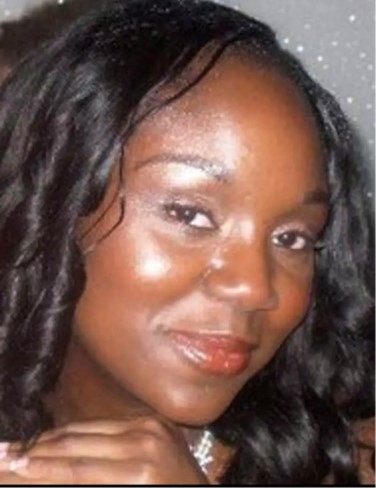
Simone Barnes is a setting support officer in south Gloucestershire and a birth to threes network leader for the Bristol and Beyond Stronger Practice Hub. Throughout her 20 years of varied experience in the early years sector, Simone has developed a passion for championing equality, inclusivity and high-quality provision which advocates the voice of the child.
The Right to Belong: Embedding Inclusion into PSED
In early years settings, helping children feel confident, build relationships, and express emotions is central to personal, social and emotional development (PSED). But beneath all of that is something deeper: belonging.
For children to thrive, they need to feel that who they are is valued. PSED starts with feeling seen, heard and safe, and that must include bias-aware practice where both the physical and emotional environment are critically considered.
Inclusion means embracing the full range of identities children bring. While this blog explores several of these, the principles linking belonging and identity can be applied across many forms of diversity.
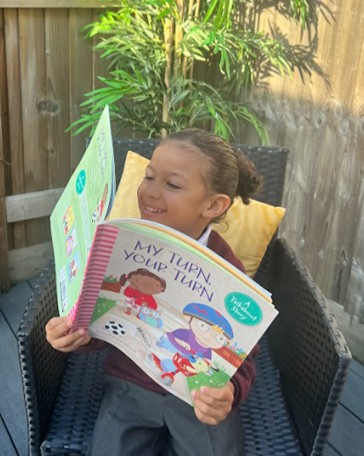
Why Representation and Belonging Matter
All children benefit from environments where they see themselves reflected. Research and professional discussions highlight how the experiences of white children from nuclear families are often centred, while others are overlooked or reduced to tokenism. These gaps often show up as subtle, everyday messages that suggest some identities are less valued.
One of those messages can come from who children see leading their learning. With the early years workforce remaining predominantly White British and overwhelmingly female (Department for Education, 2024), many children may not regularly encounter adults who reflect aspects of their identity.
For children, seeing aspects of themselves reflected in the adults around them can help reinforce a sense of belonging, recognition and possibility.
Research suggests that people often feel a stronger sense of connection and belonging when they see themselves represented in the people around them. (Tajfel & Turner, 1979; Derman-Sparks & Edwards, 2019)
whilst the demographic makeup of the early years workforce is a wider societal issue that individual practitioners and settings may have limited influence over, they can influence the messages children receive once they enter the setting.
Research by Siraj-Blatchford (2010) and Derman-Sparks & Edwards (2019) suggests that early experiences of bias may significantly impact children’s wellbeing and self-concept. A common example is only certain types of families and races appearing in books and displays — a pattern also seen more widely.
For example, The Centre for Literacy in Primary Education’s Reflecting Realities report (2024) found that only 7% of children’s books published in the UK featured a main character from a racially minoritised background, despite increasing diversity in the population.
Identity-affirming, anti-bias environments are essential — when a child’s identity is overlooked, it can undermine their ability to connect and thrive. Inclusion isn’t an add-on to good PSED — it’s part of the foundation that allows it to flourish.
Belonging Strengthens PSED Foundations
The Education Endowment Foundation’s Early Years Evidence Store highlights that high-quality PSED involves secure relationships, emotional expression, and self-confidence. These ideas are echoed in the EYFS.
The EEF also highlights the power of sensitive, nurturing interactions to help children manage emotions and develop a positive sense of self. Inclusive practice strengthens the conditions in which these strategies can truly work.
At a time when many families continue to encounter messages that reject their identity, culture, family structure or place within society, early years settings have a unique opportunity to offer something different. Through our words, relationships, environments and interactions, we can create spaces where every child and family receives a clear message: you belong here.
Team Questions to Start the Conversation
Use these questions to support reflection and discussion about belonging, representation and inclusion within your setting:
- How do I recognise the uniqueness of each child and family to show that they belong?
- Do I assume all families share the same values and ‘other’ those who don’t?
- How am I identifying and challenging my own and my team biases?
- Am I creating a space where children feel they can express all parts of their identity?
- Is my setting welcoming and accepting to all or tolerating to some?
Conclusion: Inclusion Starts with Us
By embedding inclusion into high-quality PSED, we affirm who children are.
This work doesn’t start with strategies — it starts with us. Inclusion begins with our willingness to reflect, stay open and challenge assumptions. This is what it means to uphold The Unique Child.
The biases we hold are often deeply rooted and invisible to us. Good intentions alone are not enough. Developing inclusive practice requires ongoing reflection, curiosity and a commitment to learning. Seeking out professional development, engaging in meaningful dialogue, and listening to the experiences of others can help ensure inclusion is a deliberate part of practice rather than something left to chance.
What do children and families see, hear and experience in your setting that tells them: “You belong here”?
Further Learning
The following resources are designed to support practitioners and teams to critically reflect on their practice, challenge assumptions, and identify changes that strengthen children’s sense of belonging.
Practice Bite: Celebrating Festivals – a one-hour team reflection session designed to help practitioners explore how celebrations can move beyond surface-level activities towards more authentic, meaningful experiences for children and families.
Practice Bite: Books, Belonging and Representation – a one-hour team reflection session designed to help practitioners explore the messages books communicate about identity, belonging and representation, and consider how book provision can be shaped in ways that are meaningful, engaging and authentic for children.
Webinar: A Reflective Approach to Equality, Diversity and Inclusion in EYFS Settings with Dr Sharon Colilles – Bristol Early Years Teaching Hub.
- Bishop, R. S. (1990). Mirrors, Windows, and Sliding Glass Doors. Perspectives: Choosing and Using Books for the Classroom, 6(3).
- Centre for Literacy in Primary Education (CLPE). (2024). Reflecting Realities: Survey of Ethnic Representation in UK Children’s Literature 2024.
- Department for Education. (2024). Childcare and Early Years Provider Survey.
- Derman-Sparks, L., & Edwards, J. O. (2019). Anti-Bias Education for Young Children and Ourselves (2nd ed.).
- Education Endowment Foundation. Early Years Evidence Store: Personal, Social and Emotional Development.
- Siraj-Blatchford, I. (2010). Learning in the Home and at School: How Working Class Children ‘Succeed Against the Odds’.
- United Nations. (1989). United Nations Convention on the Rights of the Child (UNCRC), Article 8: Right to Preserve Identity.