
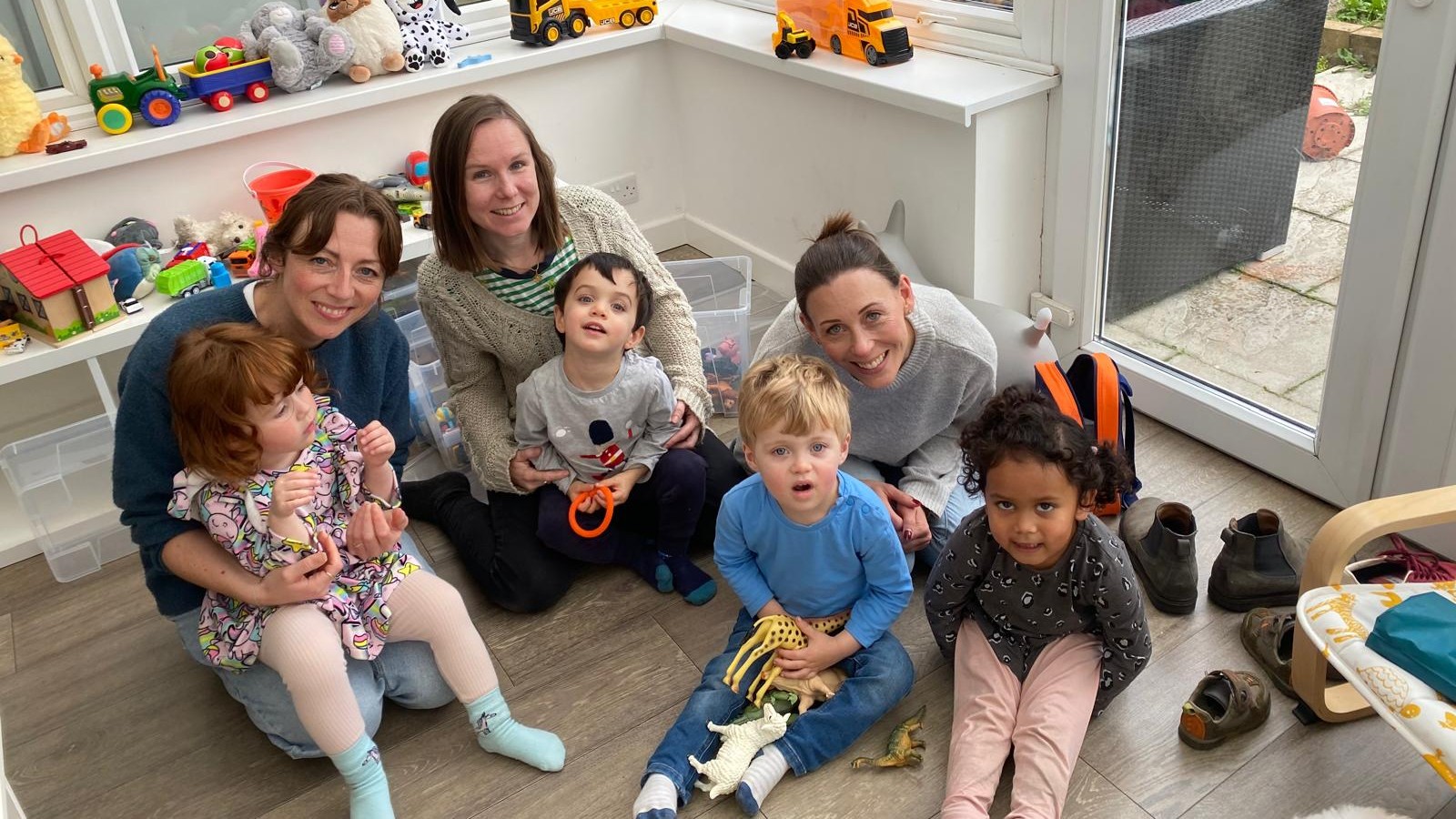

Liz has been a childminder for 6 years. Before this, she worked as a primary and early years teacher for 20 years and completed a postgraduate diploma in inclusion. In her spare time, she volunteers for a mental health charity and she is passionate about supporting the wellbeing of children and their families.
Beyond the Settling-In Period: Building Lasting Parent Partnerships to Support Children by Liz Willcox
Why invest valuable time building relationships with parents?
Research consistently shows that children make the greatest progress when their parents or carers work in close partnership with their child’s educators. The Education Endowment Foundation’s Working with Parents to Support Children’s Learning guidance report found that effective parental engagement can lead to an average of four to five months additional progress over the course of an academic year. The report provides four evidence-based recommendations for childcare providers to consider:
- Critically review how you work with parents
- Provide practical strategies to support learning at home
- Tailor communications to encourage positive dialogue about learning
- Offer more sustained and intensive support where needed
The beginning: Getting to know new parents
As a childminder, I work closely with families for weeks, and sometimes even months, before their child starts attending full-time. The process is intentionally gradual, enabling trusting relationships to develop and providing opportunities to listen to parents and gain a deeper understanding of their child’s needs.
Their (the childminder’s) role is to help ensure that every child’s care is tailored to meet their individual needs, to help the child become familiar with the setting, offer a settled relationship for the child and build a relationship with their parents and/or carers.
– EYFS statutory framework for childminders, DfE, 2025
It begins with phone calls, video chats, and meetings in the family home, followed by visits to my home and informal whole-setting meet-ups in the community. Every minute invested in partnership, empowers children to be better equipped to thrive long-term in an educational setting. The more we invest in these relationships, the smoother the transition to childcare will be for children, their families, and practitioners.
Engaging hard-to-reach parents

Parents are the experts on their own child, and it is only by listening to them that we can improve our practice. However, parents may not always feel willing or able to engage with practitioners. To encourage positive parent interactions, we must adopt approaches that build trust, reduce barriers, and make parents feel valued and included.
Practitioners need to get to know the families and understand the challenges that they face, and then be prepared to adapt the way they work in order to accommodate diverse families’ needs.
– Birth to 5 Matters, Early Years Coalition, 2021
Face-to-face conversations, in particular, can help us to discover barriers that may not be immediately apparent. Once parents trust, then disclose, we can tailor support more effectively.
Some possible barriers to positive parent interactions:
- Literacy difficulties (limited confidence with reading, writing, or digital communication)
- Physical barriers (disability or illness)
- Mental health challenges or low confidence
- Negative experiences of education or authority
- Communication barriers, including English as an additional language (EAL), deafness, or limited access to digital information
A relaxed chat over a cup of tea can often be the most effective way to understand a family’s needs. From there, practitioners can work collaboratively with parents to develop a personalised communication plan that suits their preferences and encourages involvement. Parents might prefer regular face-to-face conversations, home visits, video calls, phone calls, or text messages, rather than wordy newsletters or lengthy emails.
Sharing is a 2-way street
To expect parents to be open about their child outside of the setting, we must be equally willing to provide detailed and honest accounts of a child’s day when they are in our care – the good and the not-so-good.
Parents do not expect their child to never struggle. What they do expect is for us to identify those challenges, put effective and sensitive support measures in place, and seek their valuable input throughout the process.
Throughout the early years, if a childminder is worried about a child’s progress in any prime area, childminders must discuss this with the child’s parents and/or carers and agree how to support the child.
– EYFS statutory framework for childminders, DfE, 2025
It is through honesty and openness that we can sustain a collaborative approach to supporting a child’s progress. Decisions about a child’s next steps in learning should be informed by both parents’ knowledge of their child and the practitioner’s professional assessment, resulting in a shared plan of action.
Ideas for working collaboratively with parents in your setting:
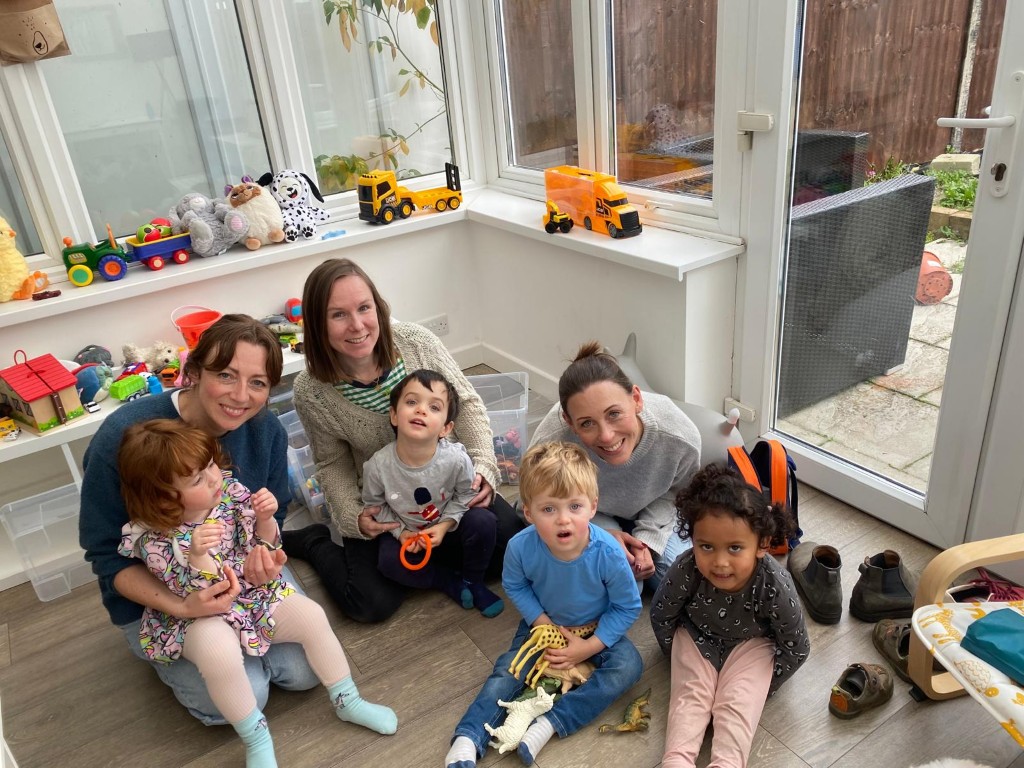
- Make the effort to chat and spend time actively listening. Record conversations as accurately as possible, as this supports reflection and can help identify recurring issues over time.
- Anonymous questionnaires may feel a little daunting, but they can provide honest feedback that you can use to improve your practice.
- Invite parents in for a chat to address concerns before they escalate. Meet worries head-on and take the lead in initiating challenging conversations.
- Encourage families to share their traditions and cultures with the children. They might bring in a bag of items used during religious celebrations or souvenirs collected while visiting family abroad.
- Hold termly parents’ evenings. Discuss educational progress, of course, but also ask the more difficult questions: Is there anything you would like to discuss? Do you have any questions? Is there anything playing on your mind? It is always better to address small concerns before they snowball into larger problems. Be open, approachable, and direct.
- By creating opportunities for families to connect, childcare educators can play a central role in fostering supportive relationships and friendships. Events such as sports days, graduation ceremonies, Easter egg hunts, and open evenings bring parents and carers together, helping them build lasting connections and a sense of community.
The importance of the parent voice when implementing more intensive support

Families who need the greatest level of support often require the greatest investment of our time. By giving parents a voice and involving them in every stage of the process, we empower them to become active partners in planning and implementing more intensive support for their child.
Working alongside parents to develop an informed, personalised support plan helps them feel valued, confident, and actively engaged in their child’s learning and development.
How can we further support parents?
- Offer home-learning ideas, tailored to their child’s developmental needs, such as story-sharing strategies, turn-taking games, or health-themed resource bags.
- Signpost parents to Family Hubs for SEND activity groups, speech and language drop-in sessions, and family wellbeing support.
- Arrange multi-agency meetings involving parents, SENCOs, Early Years Inclusion Specialists, and Educational Psychologists to provide coordinated advice and targeted support.
- Signpost or refer parents to Health Visitors, GPs, Occupational Therapists, or Paediatricians for specialist assessment and support where appropriate.
Conclusion
Ultimately, ‘parent partnerships’ are not something we can simply tick off a list. Strong and purposeful relationships require time, effort, honesty, and a sustained interest in the lives of the families we work with. This is how we strengthen our practice, creating a positive and lasting impact on children, families, and the communities we serve.
References
Early Years Coalition (2021) Birth to 5 Matters
Education Endowment Foundation (2018) ‘Working with Parents to Support Children’s Learning’
Department for Education (2025). The Early Years Foundation Stage statutory framework for childminders
The Education Endowment Foundation (2023) The Early Years Evidence Store
Join Our Free Webinars and Events for Expert Guidance and Practical Support
To find out more about this evidence-informed approach and see it in real-life practice, you can attend our upcoming events for childminders through the Bristol & Beyond Early Years Stronger Practice Hub.