Category: Mini INSET and Staff Room Sessions

Mini INSET Session: Celebrating Festivals

This comprehensive 1-hour staff meeting template guides early years practitioners through critically reflecting on how festival celebrations are planned and experienced within their setting. The resource challenges surface-level approaches to cultural events, repositioning festival celebrations as opportunities for genuine inclusion and meaningful connection with children and families. Teams work through reflective activities that examine current practice, exploring the difference between tokenistic representation and authentic cultural experiences that truly resonate with the children and communities they serve. The template draws on principles of belonging and cultural identity, encouraging practitioners to consider how festivals can be woven meaningfully into daily life rather than treated as one-off activities disconnected from children’s lived experiences. Each element of the session prompts teams to reflect on the voices of families, the authenticity of resources and materials used, and the lasting impact celebrations have on children’s sense of identity and self-worth. With a focus on moving beyond the decorative towards the deeply relational, this resource includes follow-up activities to embed reflective practice and support settings in developing a more intentional, inclusive approach to cultural celebration throughout the year.

Read More

Mini INSET Session: From Routine to Relationship – The Power of Care

This comprehensive 1-hour staff meeting template guides early years practitioners through transforming everyday care routines into meaningful relationship-building opportunities. The resource challenges the perception that physical care tasks interrupt teaching, instead repositioning them as essential educational practices. Teams work through practical activities including a carousel reflection examining eight realistic caring moment scenarios (from nappy changes to mealtimes), analysing respectful interactions through video examples from St Pauls Nursery School, and defining what care means to them. The template emphasises Birth to 5 Matters guidance on respectful caregiving, where practitioners work with children rather than doing things to them, recognising each child as a free and equal human being. Each scenario prompts teams to consider children’s dignity, voice, autonomy, and individual needs within group routines. With references to Carol Garboden Murray’s work and EEF evidence-informed approaches, this resource includes follow-up activities such as observing care practices across the setting, watching videos on promoting self-care, and supervision prompts to embed learning into practice.

Read More

Mini INSET Session: Joyful Pedagogy

This comprehensive 45-minute staff meeting template guides early years practitioners through understanding and implementing joyful pedagogy in their setting. The resource explores how joy differs from simple enjoyment, examining it as a deeper, lasting state of wellbeing that benefits both children and educators. Teams work through practical activities including sharing personal experiences of joy, identifying recent joyful moments with children, and mapping barriers and bridges to joy in their provision. The template emphasises how joy is expressed differently across cultures and encourages practitioners to recognise diverse forms of joyful expression. With reference to research showing that engaging in joyful play reduces educator stress whilst enhancing wellbeing, this resource includes follow-up activities, supervision prompts, and suggestions for creating ongoing celebrations of joy. The template empowers settings to prioritise authentic, culturally responsive joyful experiences that foster children’s relationships, self-determination, and positive social-emotional development.

Read More

Mini INSET Session: Schemas

This comprehensive staff meeting template provides early years educators a structured approach to understanding and supporting schemas in children’s play and development. Over the course of one hour, the resource guides teams through exploring schemas – repeated patterns of behaviour that help children develop cognitive connections and understand the world in their unique way. The template includes practical exercises for identifying schemas in children’s play, discussing real observations or scenario-based examples, and auditing the learning environment. With reference materials including a detailed schema types table, discussion scenarios, and an environment audit tool, this resource helps practitioners build confidence in recognising and extending children’s natural learning patterns. The template empowers settings to tailor their practice to children’s intrinsic interests, support deeper engagement, and create more inclusive environments where all children’s ways of learning are valued.

Read More

Mini INSET Session: Slow Pedagogy

This comprehensive staff meeting template provides early years settings with a structured approach to exploring and implementing slow pedagogy principles in their practice. Based on Alison Clark’s research and writing, the template guides teams through understanding what slow pedagogy means, identifying opportunities throughout the day for unhurried learning, and reflecting on specific aspects like mealtimes and storytelling. Complete with discussion prompts, practical activities, and follow-up suggestions, this one-hour meeting plan helps settings develop more attentive, child-centered approaches that value children’s natural rhythms and deeper learning experiences. The template is particularly useful for settings looking to move away from rushed routines and create more meaningful engagement with children.

Read More

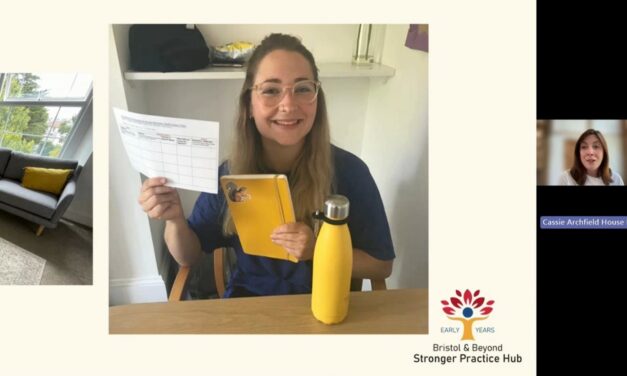
Webinar: Thinking About Staff Meetings with Cassie Holland

This quick-watch webinar (only 22 minutes) gets us thinking about how to make the most of the precious time we spend together as teams at staff meetings in early years settings. Throughout the webinar, we use the Education Endowment Foundation’s guide to effective professional development in the early years to deepen our thinking about staff meetings.

Read More
Loading