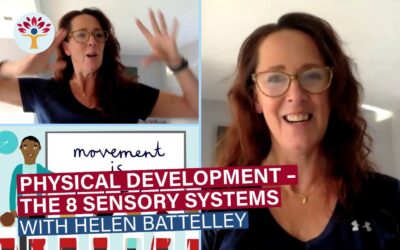
Webinar: Physical Development – The 8 Sensory Systems With Helen Battelley
Are you ready to transform your understanding of how children learn and develop? Join Helen Battelley in this comprehensive 2-hour webinar that goes far beyond the traditional five senses to explore ALL eight sensory systems that shape early childhood development.
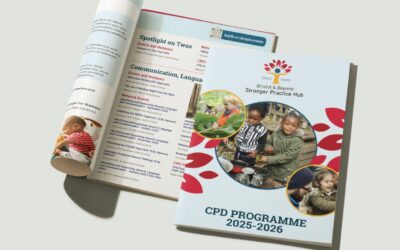
Download our CPD Brochure
Our 2025-2026 CPD Programme is Now Available We are delighted to announce that our 2025-2026 CPD Programme brochure is now available, offering early years practitioners across Bristol, Bath and North East Somerset, North Somerset, Somerset, South Gloucestershire,...
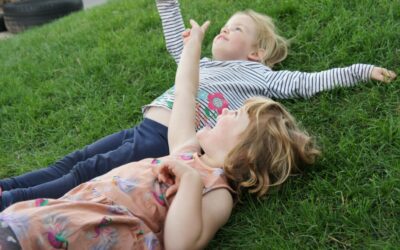
Early Years Stronger Practice Hubs Summer Webinars 2025
Join us this summer for Growing Practice, an exciting series of professional development webinars designed for Early Years educators across England. Stronger Practice Hubs across the UK, including Bristol & Beyond Stronger Practice Hub, are offering a diverse...

New Early Years Nutrition Guidance – What You Need to Know by Jo Ingleby
This blog explores the updated Early Years Nutrition Guidance, the changes it brings, and why it matters now more than ever—particularly for children from disadvantaged backgrounds. With rising food insecurity and increased marketing of ultra-processed foods, the early years sector has a vital role to play in shaping healthy eating habits from the very start. Clearer guidance offers a much-needed opportunity to align practice across all settings and support families with consistent, realistic, and affordable messages around food. As nutrition becomes a statutory part of the EYFS safeguarding and welfare requirements from September 2025, this blog highlights how settings can respond, adapt, and lead the way.

St Pauls Nursery School and Children’s Centre Instagram Account
We're excited to introduce our lead Early Years setting for the Bristol & Beyond Stronger Practice Hub! St Pauls Nursery School and Children's Centre has just launched their new Instagram account, offering a wonderful glimpse into their inspiring educational...

Bristol & Beyond Stronger Practice Hub Featured on The Baby Room Project Blog
We're delighted to share that Bristol & Beyond Stronger Practice Hub has been featured in a new blog post by The Baby Room Project, highlighting our work in baby-specific professional learning. The blog post explores the importance of specialised training for baby...
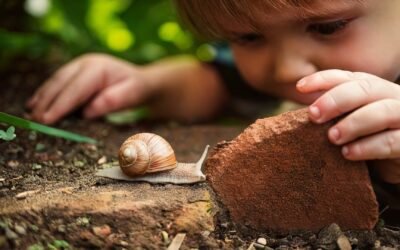
Sowing Seeds for the Future: Education for Sustainability for Childminders and Early Years Settings by Millie Colwey
As the impacts of climate change become increasingly visible, the work of building sustainable futures for the youngest generations has never been more urgent. Millie Colwey explains how childminders and early years settings play a pivotal role in fostering environmental responsibility and sustainable behaviours in children. This blog explores the importance of education for sustainability, practical steps you can take, and how our sector can lead the way to creating a greener, safer future for young children. Through simple changes to their environments, such as using scrap stores for resources and choosing ethical banking, settings themselves can become more sustainable. Meanwhile, activities like outdoor nature exploration and food growing help develop children’s understanding of the world while teaching them they can make a real difference to our environment.
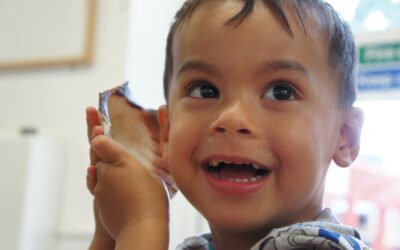
Mini INSET Session: Schemas
This comprehensive staff meeting template provides early years educators a structured approach to understanding and supporting schemas in children’s play and development. Over the course of one hour, the resource guides teams through exploring schemas – repeated patterns of behaviour that help children develop cognitive connections and understand the world in their unique way. The template includes practical exercises for identifying schemas in children’s play, discussing real observations or scenario-based examples, and auditing the learning environment. With reference materials including a detailed schema types table, discussion scenarios, and an environment audit tool, this resource helps practitioners build confidence in recognising and extending children’s natural learning patterns. The template empowers settings to tailor their practice to children’s intrinsic interests, support deeper engagement, and create more inclusive environments where all children’s ways of learning are valued.
Subscribe to our Bristol Early Years Teaching Hub Mailing List
Sign-up to receive news from Bristol Early Years Teaching Hub by email, including upcoming courses and events, links to additional resources, and more!